
Context and objectives
By focusing on the memory practices of Afghan and Somali diasporas, MEMODIAS investigates how these communities navigate identity and transnational connections within a globalized world.
Both Afghanistan and Somalia have undergone prolonged periods of political violence, conflict, and state collapse, resulting in significant migration over the past three decades.
While Afghanistan currently faces a theocratic regime and ongoing instability, Somalia is showing signs of political stabilization.
These evolving geopolitical conditions raise important questions about how such transformations influence diasporic memory practices related to conflict, exile, and return, and how these memories are experienced and negotiated across generations.
The research focuses on two specific local contexts. In the United States, the Minneapolis area hosts a well-established and multi-layered Somali community, alongside a smaller but growing Afghan population, which has expanded notably since 2021.
In Italy, Rome serves as the main settlement hub for both Afghan and Somali communities, hosting the largest number of residents from these national backgrounds. Florence also stands out as a key city for their presence and community life.
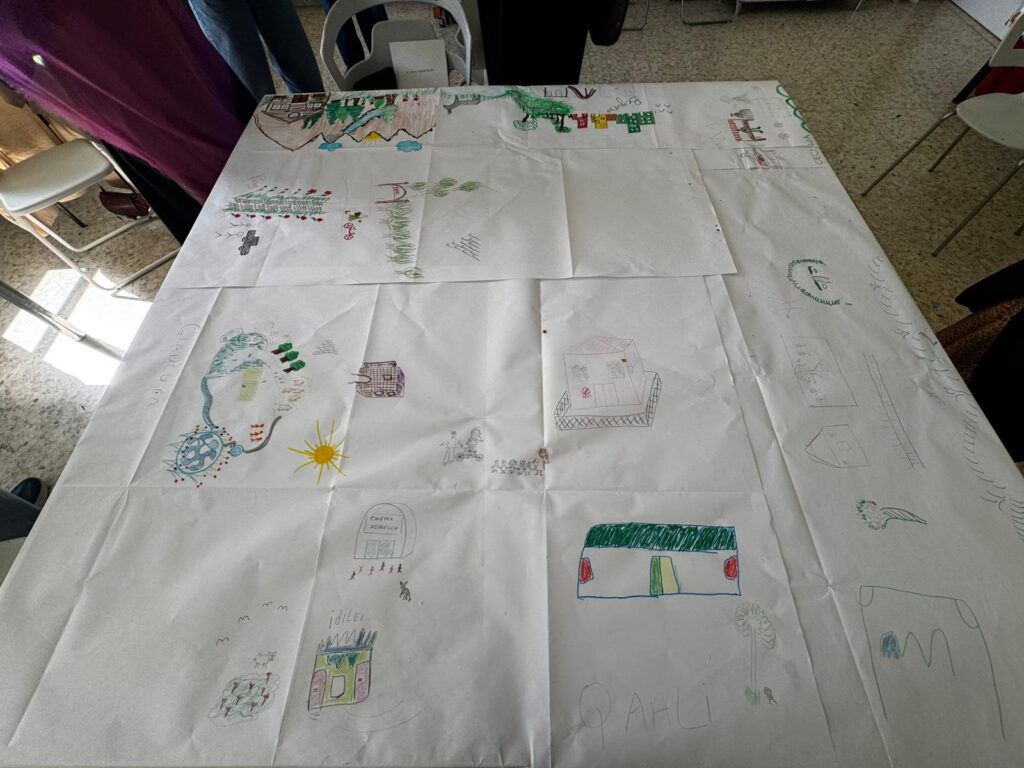
MEMODIAS aims to foster a collaborative research environment in which members of the Afghan and Somali diasporas actively contribute as co-researchers.
This participatory approach ensures that the research process values the knowledge and experiences of diaspora communities, rather than merely extracting information.
By engaging participants in both the design and dissemination of the research, the project seeks to enhance its impact across academic and non-academic audiences.
Particular attention is given to the ethical dimension of the research, emphasizing the importance of combining methodological rigor with sensitivity to the needs and expectations of communities that are often marginalized.
The project is committed to avoiding exploitative research practices and to creating reflective spaces where participants can explore and share their cultural and social resources.
Through this approach, MEMODIAS contributes to a deeper understanding of how memory is shaped and transmitted within diasporic contexts.